Is It Wrong to Put Parents in a Retirement Home in India?
Feeling guilty about considering a retirement home for your parents in India? Discover why modern senior living is a proactive act of care, not abandonment.

Placing parents in a retirement home in India is not wrong when it ensures their safety, dignity, and access to professional care. As nuclear families rise, choosing a premium senior living community is often a responsible, proactive decision to reduce isolation and better manage medical emergencies, rather than an act of abandonment.
The Cultural Stigma: Why Do We Feel So Guilty?
For generations, Indian culture has been firmly rooted in the joint family system. The concept of dharma (duty) dictated that children—specifically sons and daughters-in-law—were the primary caregivers for aging parents. In this traditional framework, the idea of an "old age home" carried a heavy social stigma. Society often interpreted it as a sign of abandonment, a lack of affection, or a child's failure to fulfill their filial obligations.
If you are an NRI or a busy professional living in another city, the guilt of not being physically present can be paralyzing. However, the reality of modern life has shifted drastically. The India Ageing Report 2023 (UNFPA/IIPS) indicates a sharp rise in elderly populations living alone as younger generations migrate for career opportunities—prompting many to weigh joint family realities vs senior community living. Feeling guilty is natural, but recognizing the limitations of remote care is the first step toward making a responsible choice for your parents' actual well-being.
"Vriddhashram" vs. Modern Senior Living: What is the Difference?
The guilt many children feel often stems from an outdated image of a "vriddhashram"—charitable, government-run institutions historically intended for the destitute or abandoned. Modern senior living is entirely different.
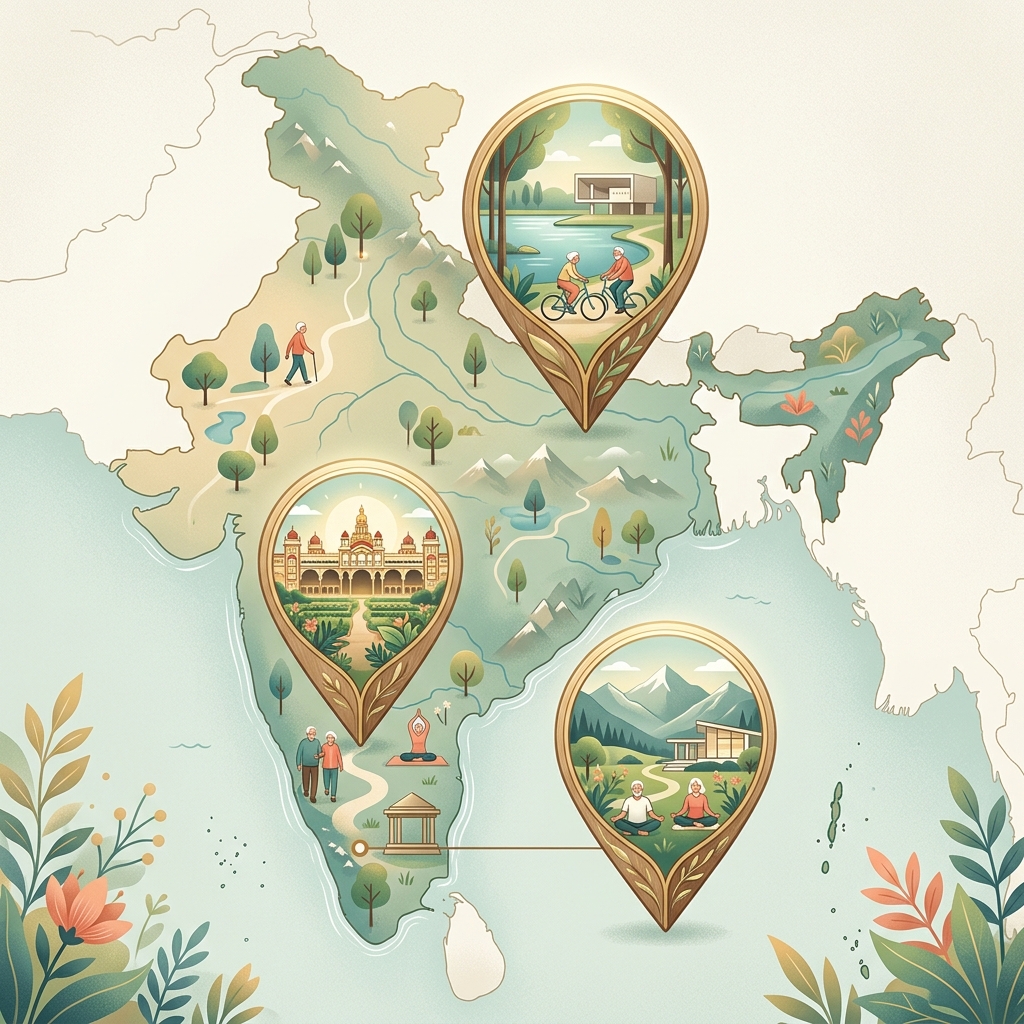
Today, premium retirement homes in India resemble luxury resorts rather than clinical institutions. For example, at Aran Senior Living, located in the peaceful Thondamuthur valley of Coimbatore, just 12 km from the Isha Yoga Center, the focus is on enriching life, not just sustaining it. Residents enjoy wholesome home-style dining, vibrant social clubs, and beautifully maintained private residences. It is an active, dignified lifestyle choice, entirely removed from the bleak imagery of traditional old age homes.
At-Home Care vs. Premium Senior Living
| Feature | At-Home Care (Maids & Nurses) | Premium Senior Living (Aran) |
|---|---|---|
| Accountability | Low. Relies on unmonitored domestic help who may take sudden leave. | High. Managed by a professional hospitality and healthcare team. |
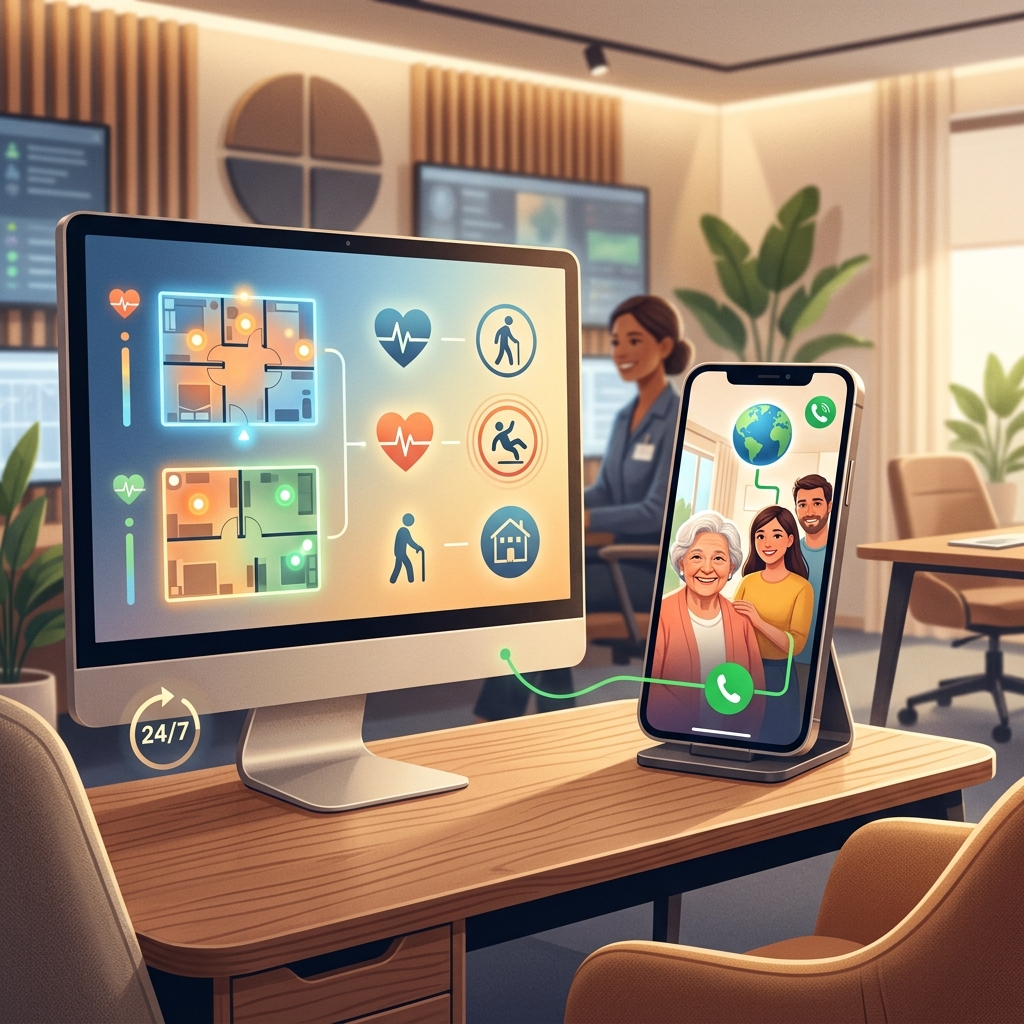
| Emergency Response | Delayed. Depends on neighbors or calling an ambulance. | Immediate. 24/7 command center, RFID tracking, and SOS buttons. |
| Social Engagement | Isolated. Parents spend most of the day alone watching television. | Active. Daily peer interactions, community events, and cultural celebrations. |
When Is It the Right Time to Consider Professional Care?
Deciding when to transition to professional care is rarely a single event; it is usually a gradual realization. You should strongly consider specialized senior care for parents if you notice any of the following signs:
- Frequent Falls or Injuries: A single fall in an empty house can be catastrophic. If mobility is declining, a fully accessible, slip-resistant environment is critical.
- Cognitive Decline: Managing conditions like dementia or Alzheimer's requires trained professionals, secure environments, and routine—things a standard home cannot provide.
- Burnout and Anxiety: If you are constantly checking your phone at 2:00 AM due to time-zone differences, fearing an emergency call, learn how families handle emergency protocols when parents live alone in India.
If you are unsure whether it's time, exploring our guide on evaluating senior living options for parents in India can provide further clarity.
The Legal & Moral Duty: What Does the Law Actually Say?
Many families worry that choosing senior living means abandoning their responsibilities. Indian law takes a different view. Under the Maintenance and Welfare of Parents and Senior Citizens Act, 2007, children are required to provide maintenance and support—including residence, food, and medical care—so that parents can lead a normal life. The Act focuses on ensuring a parent's welfare and does not generally require parents and children to live under the same roof. Maintenance is defined to include residence and medical care, while welfare includes healthcare, recreation, and other necessary amenities for senior citizens.
For many families, arranging high-quality professional care can be a responsible way to meet these obligations, particularly when work, distance, health needs, or family circumstances make full-time caregiving difficult. What matters most is that parents receive the support, dignity, safety, and care they deserve. By choosing a premium community, you are ensuring they receive dedicated care when you cannot physically provide it yourself.
How to Maintain the Emotional Bond from Afar
Moving your parents to a senior living community does not sever your relationship; it often improves it. When you are no longer burdened by the constant anxiety of managing their medications, chasing unreliable domestic help, or worrying about their physical safety, your conversations can return to being meaningful and loving.
To maintain a strong bond from afar, establish a routine for video calls. Engage with the community's management to receive regular health and activity updates. When you visit, use the time to actually enjoy their company rather than acting as a stressed caregiver.
Let's See If This Is Right For Your Family
We understand that this is one of the most difficult decisions your family will make. At Aran Senior Living, we believe in complete transparency. We invite you and your parents to experience our community through a short-term trial stay. Talk to our team to understand if our flexible rental model suits your situation—we'll tell you honestly if it's not the right fit.
Contact Us Today to Learn More
Editorial Note
This analysis draws on demographic trends highlighted in the India Ageing Report 2023 (UNFPA/IIPS), legal frameworks established by the Government of India, and the Aran Research Team's direct conversations with hundreds of NRI and local families navigating the complexities of elder care.