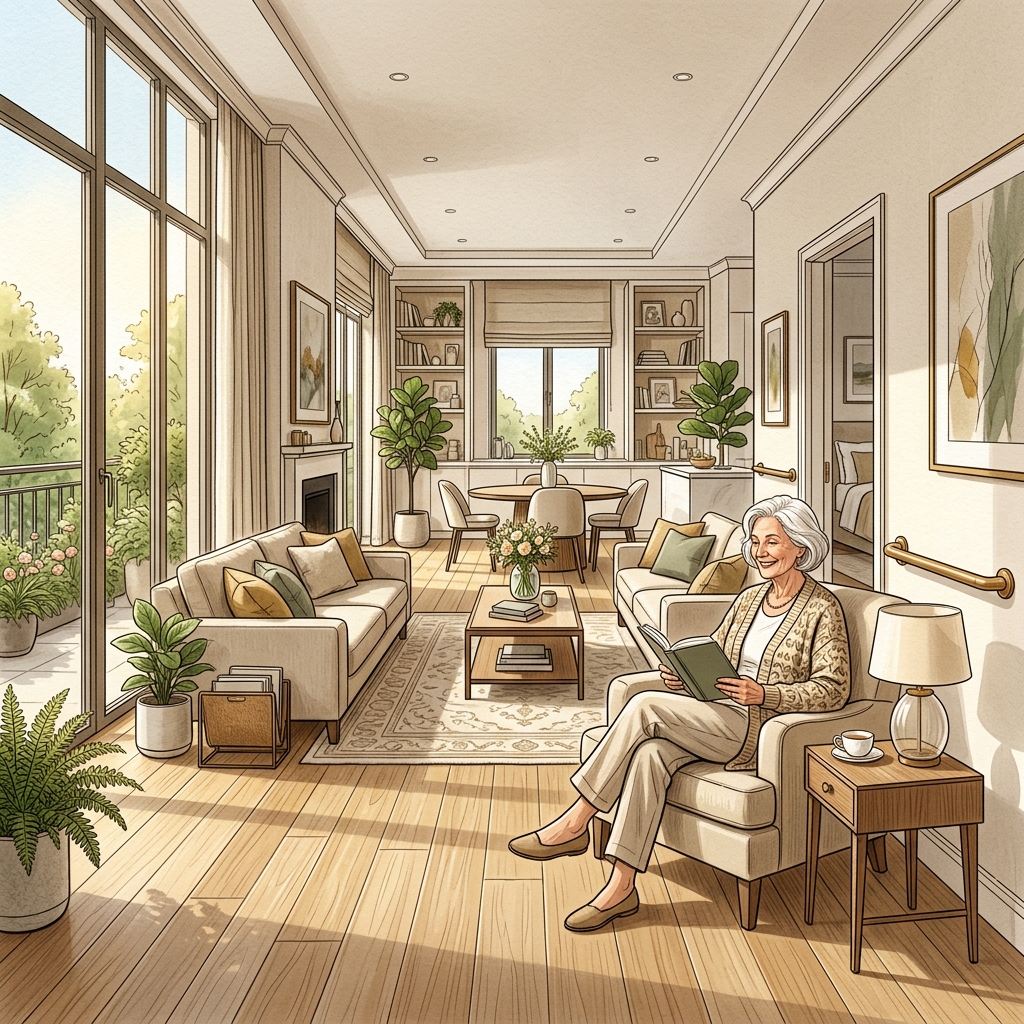
When Should Parents Move to Assisted Living? 5 Warning Signs
Deciding when parents should move to senior living is tough. Learn the 5 warning signs and how to navigate the transition without guilt.
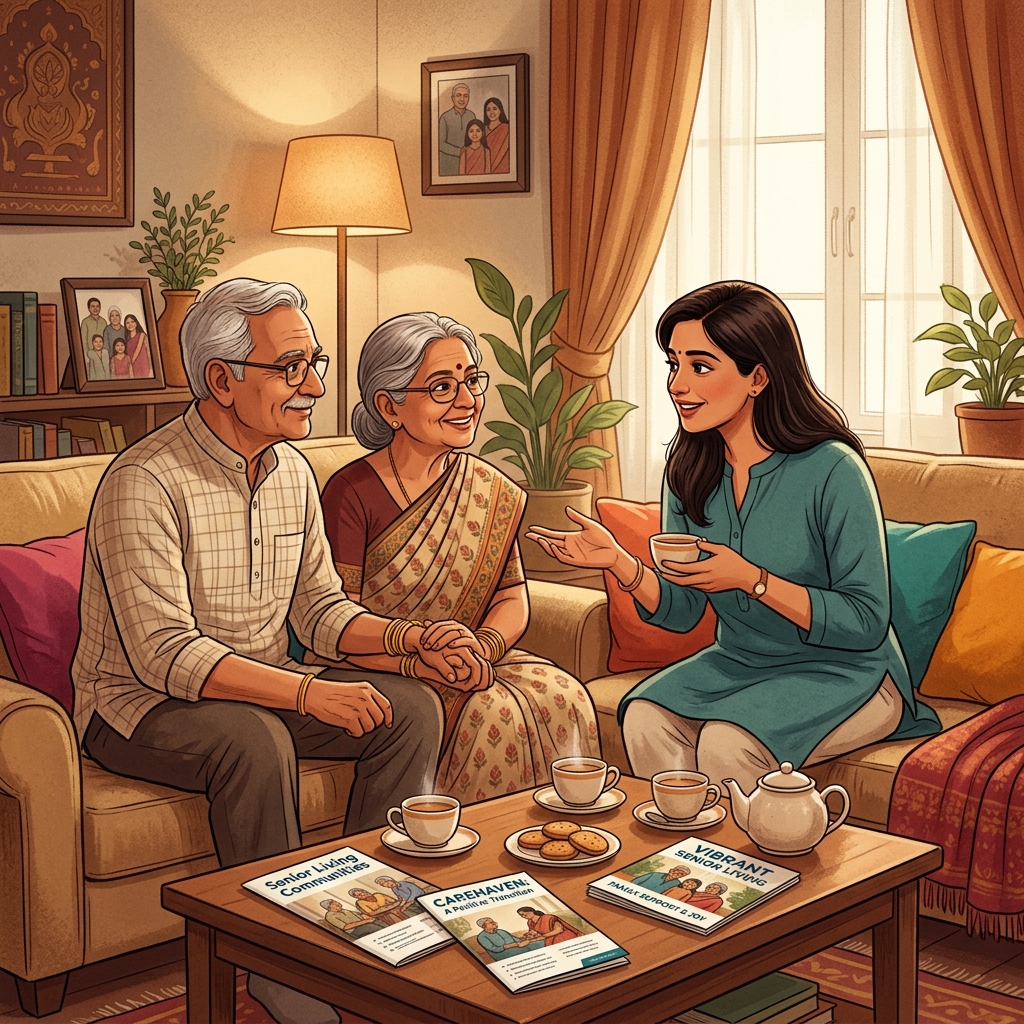
Deciding when parents should move to assisted living is one of the most difficult choices a family faces. The right time is usually before a medical crisis occurs—when you first notice declining hygiene, missed medications, or severe isolation. Aran Senior Living offers a dignified, resort-style alternative in Coimbatore for proactive families.
For many adult children, especially NRIs or those living in different cities, the distance from ageing parents creates a constant, low-level anxiety. Every missed phone call sparks fear. Every visit reveals new, subtle signs of decline—a slightly more cluttered house, expired food in the fridge, or a growing reluctance to leave the neighborhood.
Knowing exactly when to intervene is challenging. This guide breaks down the critical signs that indicate it's time for a change and how to navigate the emotional complexities of moving parents to a premium senior living community.
What are the signs that an elderly parent can no longer live alone?
Waiting for a catastrophic event—like a severe fall or a medical emergency—is a dangerous strategy. Proactive observation is key. Look for these five warning signs during your next visit:
- Decline in Activities of Daily Living (ADLs): Noticeable changes in personal hygiene, wearing the same clothes repeatedly, or an inability to manage basic grooming.
- Nutritional Neglect: Sudden, unexplained weight loss, skipping meals, or finding a refrigerator full of expired or rotting food.
- Medication Mismanagement: Unfilled prescriptions, pills scattered on the counter, or confusion about dosage schedules. This is a critical red flag that requires immediate intervention.
- Household Degradation: A formerly immaculate home becoming consistently dirty, unpaid bills piling up, or scorch marks on kitchen pans indicating forgotten cooking.
- Severe Social Isolation: Withdrawing from friends, abandoning hobbies, and rarely leaving the house. Isolation is as damaging to a senior's health as smoking, leading rapidly to cognitive decline and depression.
How do you talk to stubborn Indian parents about senior living?
Culturally, Indian parents often view the family home as their ultimate sanctuary and may perceive any suggestion of moving as an attempt to "abandon" them to an old age home.
To have a productive conversation, you must completely reframe the narrative:
- Don't talk about their limitations. Talk about the burdens they can shed. Focus on the freedom from managing unreliable domestic help, cooking three meals a day, and maintaining a large, empty house.
- Focus on lifestyle, not care. Position a community like Aran Senior Living as a "resort lifestyle" or an "active club" where they will be surrounded by peers, excellent food, and engaging activities.
- Start with a trial. Avoid finality. Suggest a short-term trial stay. Let them experience the wholesome home-style dining and the pristine environment of the Thondamuthur valley without the pressure of a permanent commitment.
Is it normal to feel guilty about choosing a retirement community?
Yes. Guilt is the most common emotion adult children face when exploring senior living. Society often unfairly equates placing a parent in a community with a failure of familial duty.
However, we must separate cultural stigma from practical reality. The traditional "joint family" model is fracturing. When both spouses work, or when children live in the US or UK, leaving parents alone in a massive house with only a maid for company is not "honoring" them—it is isolating them.
Providing your parents with a professionally managed, vibrant, and incredibly safe environment is the ultimate expression of care. You are replacing the anxiety of "phone-call caregiving" with the assurance of 24/7 professional support.
What is the difference between an old age home and a luxury retirement resort?
The guilt many families feel stems from an outdated image of dreary, institutional "old age homes." Modern, premium senior living is an entirely different category.
| Feature | Traditional Old Age Home | Premium Retirement Resort (Aran) |
|---|---|---|
| Environment | Clinical, institutional, and often depressing. | Boutique, resort-style aesthetics in a scenic location. |
| Residences | Shared dormitories or basic single rooms. | Fully private, luxury independent apartments. |
| Dining | Basic, cafeteria-style mass cooking. | Wholesome, home-style meals with quality local ingredients. |
| Community | Passive waiting, limited engagement. | Vibrant social clubs, wellness programs, and active living. |
| Financial Model | Often high upfront deposits (lock-in). | Zero-deposit, flexible monthly rental models. |
The "Midnight Panic": A Real Scenario
For NRI families, the breaking point is often the "Midnight Panic." It’s 2:00 AM in California, and you receive a fragmented WhatsApp message that your mother has fallen in Coimbatore. The sheer helplessness of trying to coordinate an ambulance, deal with neighbors, and reach KG Hospital from 8,000 miles away is traumatizing.
When your parents reside in a managed community, that midnight panic is replaced by a calm update from a 24/7 command center confirming that the situation was handled immediately by the trained emergency response team.
Take the Next Step
If these warning signs sound familiar, it may be time to start exploring your options. We invite you to learn more about our beautiful community near the Isha Yoga Center to see the difference for yourselves. Inquire now today—we’ll tell you honestly if our community is the right fit for your family's needs.
Editorial Note
The observations regarding caregiver dynamics, the NRI experience, and the differences between care models are based on the Aran Research Team's extensive interviews with local and international families, as well as operational data gathered while designing our premium senior living community.