Care for Elderly Parents in India | 2026 NRI Guide
Managing elderly parents in India from abroad? Learn how to set up emergency protocols, manage finances, and explore luxury senior living options.

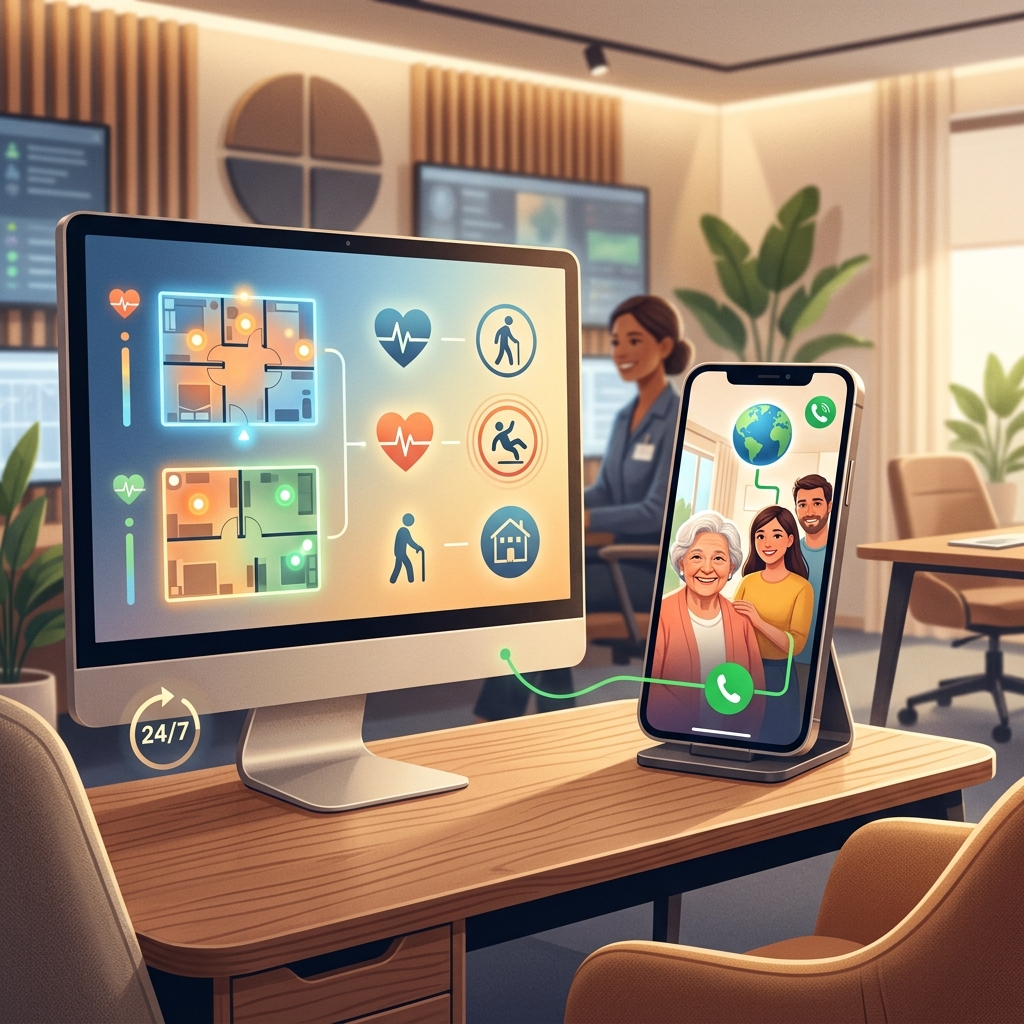
To effectively care for elderly parents in India from abroad, NRIs must transition from reactive phone calls to proactive systems. This requires establishing 24/7 medical emergency protocols, automating daily financial and utility management, and utilizing verified professional eldercare networks or integrated senior living communities.
For Non-Resident Indians (NRIs) living in the US, UK, UAE, or Singapore, the distance creates a unique emotional and logistical burden. The constant, underlying anxiety of a medical emergency occurring while you are thousands of miles and several time zones away is a heavy weight to carry.
This guide provides a practical, step-by-step roadmap to organizing remote care that actually works.
How do I manage my parents' finances and bill payments remotely?
One of the easiest stressors to eliminate is the friction of daily logistics. Your parents should not have to stand in bank queues or struggle with cash payments for utilities.
- Automate Banking (NRE/NRO Accounts): Ensure you have an active NRE (Non-Resident External) or NRO (Non-Resident Ordinary) account linked to their primary expenses. Most Indian banks now offer robust mobile apps that allow you to manage funds seamlessly from abroad.
- Utilize UPI Auto-Pay: Set up auto-debit mandates on UPI platforms for electricity, water, DTH, and maintenance bills.
- Subscription Services: Automate grocery and pharmacy deliveries through local aggregator apps. This ensures they never run out of essentials, regardless of local weather or their physical mobility on a given day.
How can I find reliable, verified caregivers for my parents?
The traditional Indian model relies heavily on informal domestic help—maids, drivers, and local neighborhood connections. However, when managing care remotely, this informal network is fragile.
Domestic staff often take unannounced leave, and they are rarely trained to handle a medical crisis like a stroke or a severe fall.
Instead of relying on informal help, NRIs must pivot to professional, background-verified eldercare agencies. These platforms provide trained caregivers (nurses or attendants) who report to a centralized management team. When interviewing agencies, always ask:
- Do you conduct police verification for all staff?
- Do you have a backup caregiver system if the primary staff member falls ill?
- Do you provide daily digital health reports to family members abroad?
How can I handle medical emergencies for my parents in India from abroad?
This is the most critical pillar of remote care. The "Midnight Phone Call" is the scenario every NRI dreads—receiving a call at 3 AM that a parent has fallen, and realizing you are powerless to physically help.
CCTV cameras provide surveillance, but they do not provide assistance. If a parent falls in a blind spot (like a bathroom, where 80% of falls occur), a camera is useless. You need an active emergency protocol:
- The Local Contact Chain: Identify three local contacts (relatives or trusted neighbors) who can reach your parents' house within 15 minutes.
- Hospital Proximity: Identify the nearest tertiary care hospital and familiarize yourself with their admission process. Keep an emergency fund in an easily accessible liquid account.
- Medical Power of Attorney (PoA): Establish a medical PoA to ensure you can legally authorize critical surgical or medical decisions remotely if your parents are incapacitated.
What are the best professional elder care services in India for NRIs?
While patchwork home care is the default, a growing number of NRIs are realizing that coordinating 5 different services (nurses, cooks, drivers, hospital escorts, and security) from another continent is a full-time job.
This is why luxury senior living communities have become the preferred alternative. Rather than bringing piecemeal services into an aging, unadapted house, these communities provide a fully integrated ecosystem.
Here is how patchwork remote care compares to a dedicated community like Aran Senior Living:
| Feature | Patchwork Home Care (Remote) | Aran Senior Living Resort |
|---|---|---|
| Emergency Response | Relies on neighbors or calling an ambulance. | 24/7 on-site command center & RFID SOS. |
| Daily Nutrition | Dependent on cooks who may take leave. | Wholesome home-style dining with quality local ingredients. |
| Physical Safety | Traditional homes have stairs, thresholds, and slippery tiles. | Custom-engineered, zero-threshold accessible design. |
| Social Isolation | High risk; parents are often alone all day. | Vibrant community of peers and social clubs. |
| Financial Model | Variable monthly costs (agencies, staff, utilities). | Predictable monthly rental fee (\u20b90 deposit). |
For NRIs, a community like Aran Senior Living—located in the pristine foothills of Thondamuthur near the Isha Yoga Center in Coimbatore—removes the burden of micro-management.
At Aran, our "Quiet Vigil" technology uses non-intrusive RFID to monitor safety without invading privacy. If a resident's routine changes drastically or an SOS is triggered, our on-site emergency response team intervenes immediately, coordinating with city hospitals like Ganga Hospital and KG Hospital.
We provide the physical presence that you wish you could provide.
If you are currently trying to manage your parents' care from abroad and feeling the strain of the distance, premium retirement homes offer a dignified, secure alternative that protects their independence and your peace of mind.
Editorial Note
This guide draws upon data and demographic trends highlighted in the India Ageing Report 2023 (UNFPA) and the Aran Research Team's direct consultations with over 200 NRI families managing eldercare across borders.