What to Look for in a Retirement Home: The Complete 2026 Checklist
Not all senior care is created equal. Learn what to look for in a retirement home, from hidden financial traps to critical safety and medical infrastructure.

Selecting a retirement community is one of the most consequential decisions your family will ever make. For seniors, it marks the transition into a "second innings" of independence and social vibrance. For children—especially NRIs managing care from thousands of miles away—it represents the ultimate transfer of trust.
However, looking past the glossy brochures is notoriously difficult. Many facilities disguise rigid institutional environments under the banner of "luxury."
So, what to look for in a retirement home in 2026?
Before walking into a facility, it helps to understand the massive shift occurring in Indian senior care. We are moving away from crowded, institutional "old age complexes" to boutique, high-hospitality retirement resorts.
| Critical Evaluation Metric | Traditional Senior Complex | Aran's Boutique Resort Concept |
|---|---|---|
| Financial Model | Heavy upfront purchase / deposit (₹30L - ₹1Cr) | Flexible monthly rental (standard refundable deposit applies) |
| Scale & Density | 100 to 500+ units (institutional, crowded) | Only 18 premium residences (private, personalized) |
| Safety Integration | Intrusive warden check-ins & rules | Unobtrusive RFID "Quiet Vigil" + 24/7 Command Center |
| Medical Response | Distant ambulance | Proximity to city hospitals like Ganga & KG Hospital |
| Nutritional Quality | Rigid dining schedules, bland catering | Wholesome, regional home-style cooking tailored to your health |
| The Exit Policy | Multi-year property resale hurdles | Flexible rental tenancy (30-day notice) |
Whether you're moving yourself or helping an elderly parent transition, here is the uncompromised, five-point checklist to separate a true community from a mere facility.
1. The Financial Model: Beware the "Real Estate Trap"
The most overlooked aspect of senior living is the financial lock-in. Historically in India, retirement homes operate on a heavily capitalized model, demanding villa purchases or hefty deposits anywhere between ₹30 Lakhs to ₹1 Crore.
The Risk: If you or your parent is unhappy with the food, the culture, or the medical care, relocating becomes a massive legal and financial headache, often involving heavy retention fees. The Solution: Seek communities that operate on a Flexible Rental Model.
At Aran Senior Living, we fundamentally believe you should have the right to change your mind. We operate on a flexible rental structure without property purchases (standard refundable security deposit applies), unlocking your capital to be spent on travel, healthcare, or family—not real estate.
2. Unobtrusive vs. Intrusive Safety
Safety is non-negotiable. But how safety is implemented defines the resident's dignity.
- Intrusive Safety: Constant checking by wardens, restrictive schedules, and an environment that feels like a hospital ward.
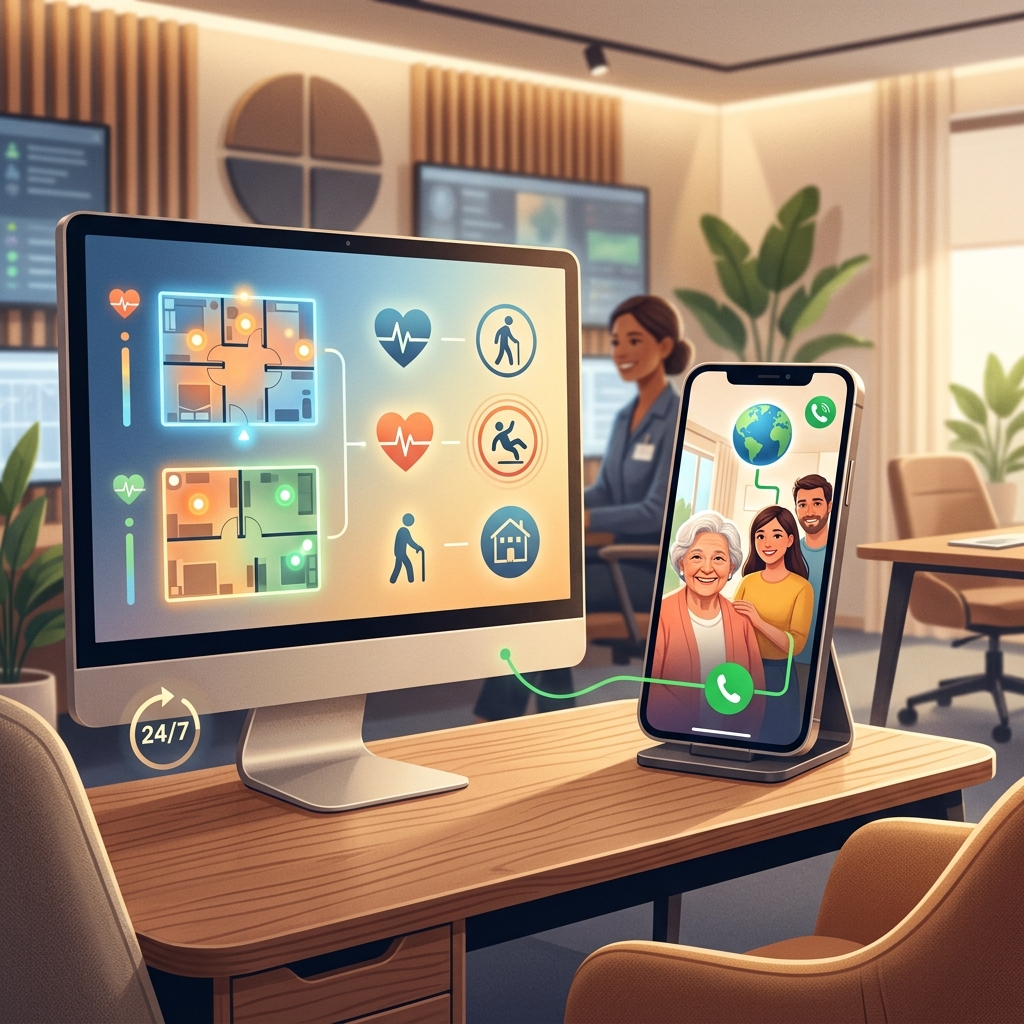
- Unobtrusive Safety: Independence is preserved through technology. At Aran, we utilize cutting-edge RFID tracking and motion monitoring. We track baseline health metrics silently. The system only triggers our 24/7 medical response center if a fall is detected or a routine completely halts.
Look for a community that protects its residents invisibly, only stepping forward when genuinely needed.
3. Dealing with Distance Anxiety (The NRI Perspective)
"My mother had a fall, and I was 8,000 miles away. Depending on neighboring relatives feels like an unfair burden on their busy lives."
This is the most common pain point we hear from adult children living abroad. When evaluating a community, you must ask: How accountable is the management to the family?
The right community doesn't just provide care; it acts as your professional, physical proxy. Look for:
- Transparent, digital updates on daily activities and wellbeing.
- Fully cashless internal ecosystems for the resident.
- A dedicated command center the family can contact instantly, eliminating the anxiety of timezone differences or relying on extended family to "check in."
4. The Scale of Healthcare Access
A community doctor is helpful, but what happens during a cardiac event?
You must map the exact distance from the retirement home to the nearest Tier-1 Multi-Specialty Hospital. The "Golden Hour" of medical response is critical.
For instance, Aran is intentionally positioned in Coimbatore. It offers the serene, pollution-free foothills of the Velliangiri mountains—just minutes from our senior living community near the Isha Yoga Center—while keeping residents in proximity to some of South India’s most advanced cardiology and orthopedic centers, such as Ganga Hospital and KG Hospital.
5. Nutritional Quality and Cultural Continuity
Institutional food leads to institutional depression. For active seniors, every meal should be an eagerly anticipated event.
When evaluating a community:
- Ask to see the kitchen and the weekly menu.
- Ensure that the food isn't just "bland hospital fare" but rather authentic, wholesome regional cuisine that honors their palate.
- Ask about dining flexibility. Can they host their grandchildren for a Sunday meal in a private dining space?
The Bottom Line
A true retirement home does not ask you to sacrifice your independence or your life savings. It simply removes the friction of daily living—cooking, housekeeping, security, and emergency planning—so that you can focus entirely on enjoying your life.
If you are currently evaluating your options, take your time. Do not rush into heavy financial commitments. Demand a trial stay to experience the active community vibe firsthand before making any decisions.